
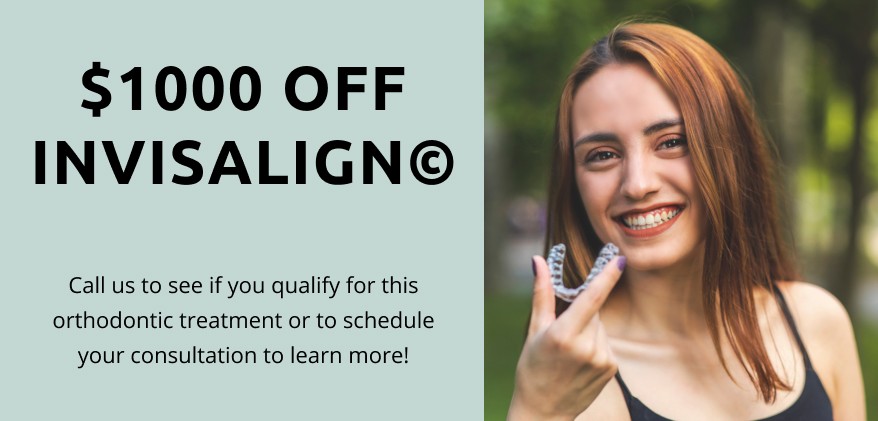
Invisalign vs Traditional Retainers: Understanding the Difference
A healthy, well-aligned smile does much more than boost your confidence. Proper dental alignment plays a fundamental role in your overall oral health. Straight teeth are significantly easier to clean, which reduces the risk of tooth decay and gum disease. Furthermore, correct alignment improves bite function, alleviates jaw strain, and even supports clear speech.
When it comes to achieving and maintaining that perfect alignment, patients have more options now than ever before. Two of the most common and effective orthodontic solutions available are Invisalign aligner and traditional retainers. While they share the goal of keeping your teeth straight, they function in different ways and serve slightly different purposes in the orthodontic journey.
Choosing the right appliance can feel overwhelming with all the information available. Traditional retainers have a long history of proven success, typically used after braces to hold teeth in place. Conversely, Invisalign functions as a comprehensive treatment to actively move teeth into their correct positions using virtually invisible trays.
This guide compares Invisalign and traditional retainers in detail. By exploring how each option works, along with their unique pros and cons, you will have the knowledge needed to make a fully informed decision for your smile.
Understanding Traditional Retainers
What are Traditional Retainers?
Traditional retainers are custom-made orthodontic devices. They are primarily divided into two main categories: Hawley retainers and clear plastic retainers (often referred to as Essix retainers). Hawley retainers consist of a molded acrylic arch that rests on the roof or floor of the mouth, connected to a metal wire that wraps around the front of the teeth. Clear plastic retainers are vacuum-formed to fit perfectly over your teeth, similar to a very thin mouthguard.
How Traditional Retainers Work
The primary mechanism of action for a traditional retainer is preservation. After you complete active orthodontic treatment—like wearing traditional metal braces—your teeth are highly susceptible to shifting back to their original, crooked positions. This phenomenon is known as an orthodontic relapse. Retainers apply a gentle, continuous pressure to hold the teeth firmly in their new locations while the surrounding bone and gum tissue solidify. They play a critical role in the post-orthodontic treatment phase.

Invisalign Implant Service
Pros of Traditional Retainers
Traditional retainers offer several distinct advantages that make them a reliable choice for millions of patients.
Durability and longevity: Hawley retainers are incredibly durable. If properly cared for, a single Hawley retainer can last for many years, and the metal wires can be easily adjusted by your orthodontist.
Cost-effectiveness: Generally speaking, traditional retainers are highly cost-effective, especially given their long lifespan.
Effectiveness for certain cases: Because they can be manually adjusted, traditional retainers are excellent for making minor bite corrections even after the main phase of orthodontic treatment has concluded.
Cons of Traditional Retainers
Despite their reliability, traditional retainers do have a few drawbacks.
Aesthetic concerns: The metal wire of a Hawley retainer is highly visible when you smile or speak.
Comfort and speech impact: The acrylic plate can feel bulky in the mouth. It often causes a temporary lisp and takes some time to get used to.
Maintenance and hygiene challenges: Bacteria and plaque can easily build up on the acrylic and wire. Patients must brush their retainers carefully every day to prevent bad breath and poor oral hygiene.
Exploring Invisalign
What is Invisalign?
Invisalign implant is an innovative brand of clear aligner technology. Rather than using metal brackets and wires, Invisalign uses a series of transparent, removable plastic trays to align teeth. These trays are crafted from a highly advanced, proprietary material called SmartTrack. This material is engineered specifically for orthodontic use, providing a gentle but highly effective force to guide teeth into the correct position.
How Invisalign Works
The Invisalign process begins with a 3D digital scan of your mouth. Using this scan, your dentist maps out a customized treatment plan. You then receive a series of custom-made aligners. You wear each set of aligners for about one to two weeks before swapping them out for the next set in the series. This creates a gradual tooth movement process. Unlike a traditional retainer that merely holds teeth in place, Invisalign is an active, comprehensive orthodontic treatment designed to fix crowding, spacing, and bite issues from start to finish.
Pros of Invisalign
Patients often gravitate toward Invisalign due to its numerous lifestyle and aesthetic benefits.
Aesthetics: The clear aligners are nearly invisible. Most people will not even notice you are wearing them.
Comfort: The SmartTrack plastic is smooth and custom-trimmed to your gum line. There are no sharp metal wires or bulky brackets to irritate the inside of your cheeks.
Convenience: Invisalign trays are completely removable. You can take them out to eat your favorite foods, as well as to brush and floss your teeth normally.
Predictability: Invisalign utilizes advanced ClinCheck software. This allows you to see a virtual, 3D representation of your final smile before you even wear your first aligner.
Cons of Invisalign
Invisalign is highly effective, but it requires dedication and may not be for everyone.
Compliance requirement: For the treatment to work, you must wear the aligners for 20 to 22 hours every single day. Taking them out too frequently will stall your progress.
Cost: As a comprehensive treatment system, Invisalign typically has a higher upfront cost than a simple set of post-treatment retainers.
Not suitable for all issues: While Invisalign can fix a vast array of dental problems, extremely severe cases of misalignment or complex bite issues might still require traditional metal braces.
Key Differences and Comparison
Appearance and Aesthetics:
Invisalign is virtually invisible, making it the clear winner for patients who want a discreet treatment. Traditional Hawley retainers have a noticeable metal wire.
Comfort and Wearability:
Invisalign’s smooth plastic is generally more comfortable than the hard acrylic and metal of a Hawley retainer.
Treatment Process and Duration:
Invisalign actively moves teeth over several months to a few years. Traditional retainers are worn indefinitely to prevent shifting after teeth have already been straightened.
Maintenance and Oral Hygiene:
Both require daily dental cleaning. However, Invisalign trays are swapped out every couple of weeks, meaning you get a fresh, clean set regularly.
Cost Considerations:
Traditional retainers cost a few hundred dollars. Invisalign represents a comprehensive treatment plan, often costing several thousand dollars.
Efficacy for Various Orthodontic Problems:
Invisalign corrects mild to moderate orthodontic issues. Retainers prevent teeth from moving after those issues have been corrected.
Impact on Lifestyle:
Invisalign requires a strict wear schedule of 22 hours a day during treatment. Post-treatment retainers often only need to be worn at night while sleeping.
Who is a Candidate for Each?
Ideal candidates for Traditional Retainers
You are a great candidate for a traditional retainer if you have recently completed a full course of braces or Invisalign and need to maintain your results. They are also ideal for patients who want a durable, long-lasting appliance and do not mind the minor aesthetic tradeoff of a metal wire.
Ideal candidates for Invisalign
Invisalign is perfect for older teens and adults who currently have crooked teeth, gaps, or bite issues and want to straighten their smile discreetly. If you have the discipline to wear the trays for 22 hours a day and prefer to avoid the dietary restrictions of metal braces, Invisalign is an exceptional choice.
When to choose one over the other
Choose Invisalign service if you need to actively fix your smile. Choose a traditional retainer if you already have a straight smile and want to keep it that way.
The Importance of Professional Consultation
You should never make orthodontic decisions alone. A consultation with a qualified dentist or orthodontist is an absolute requirement. Dental professionals possess the diagnostic tools necessary to evaluate the roots of your teeth, your jawbone density, and your overall oral health.
During a consultation, your doctor will create a personalized treatment plan. They will address your individual needs, answer your specific questions, and ensure that the chosen treatment will yield the best possible long-term results without compromising your dental health.
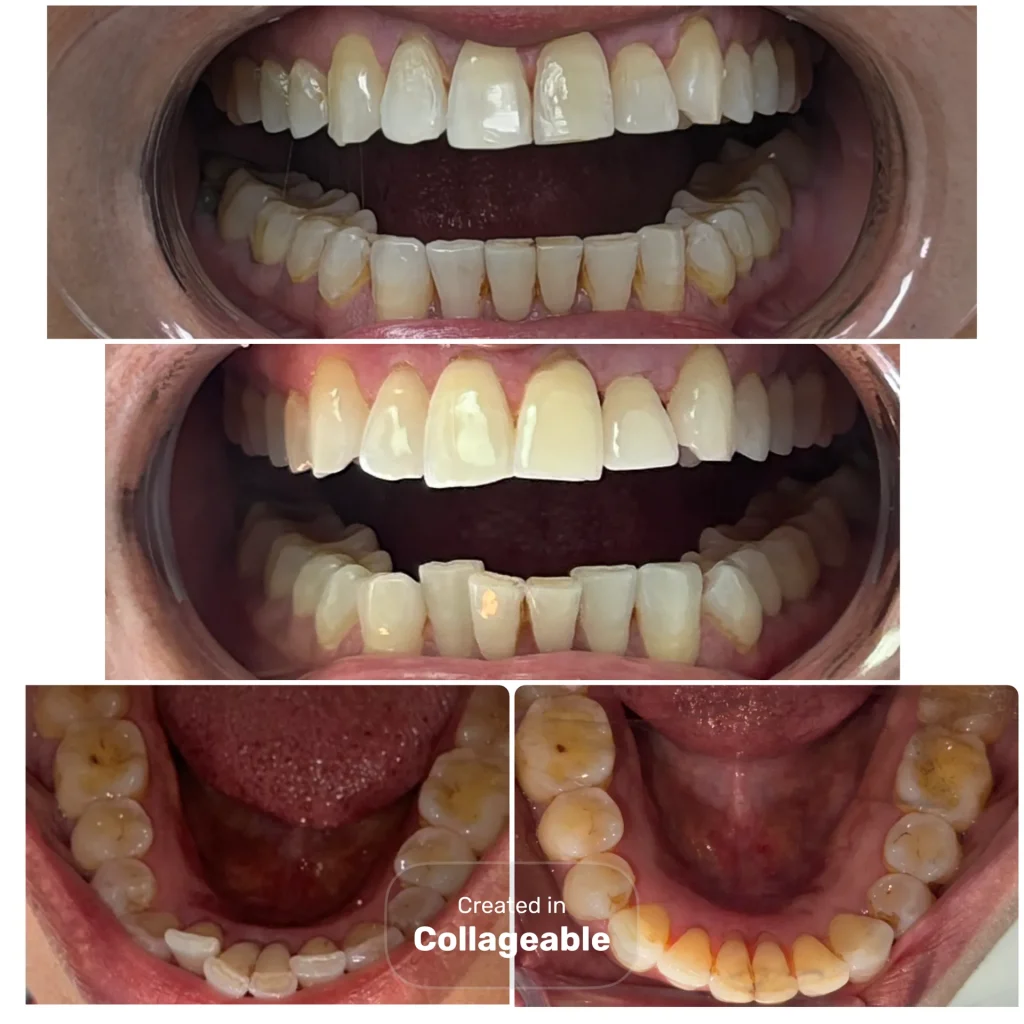
Invisalign Result
Dhillon Dental: Your Partner in Orthodontic Health
If you are looking for expert guidance, look no further than Dr. Navpreet Dhillon at Dhillon Dental in Fairfax, VA. Dr. Dhillon and her dedicated team bring years of specialized expertise in orthodontics to the local community.
At Dhillon Dental, the approach to Invisalign and traditional retainer treatments is entirely patient-centric. We understand that no two smiles are the same. We utilize state-of-the-art diagnostic technology to accurately assess your orthodontic needs. Whether you are seeking a complete smile makeover with Invisalign or need a durable retainer to protect your previous orthodontic investment, Dr. Dhillon provides compassionate, cutting-edge care tailored specifically to you.
Making Your Decision: Factors to Consider
Before moving forward, take a moment to evaluate a few personal factors.
First, consider your lifestyle and daily habits. Will you remember to put your clear aligners back in after every meal? Second, look at your budget and insurance coverage. Many dental insurance plans offer partial coverage for orthodontic treatments, which can significantly lower your out-of-pocket costs. Third, understand the severity of your orthodontic issues. A professional evaluation will dictate whether clear aligners are sufficient for your specific bite. Finally, weigh your personal aesthetic preferences. If visibility is a major concern, clear aligner technology is likely your best route.
Your Path to a Radiant Smile
Understanding the difference between Invisalign and traditional retainers empowers you to take control of your dental health. Invisalign treatment serves as a modern, virtually invisible method to actively straighten your teeth and correct bite issues. Traditional retainers act as the crucial final step, locking your teeth into their new positions to preserve your beautiful smile for a lifetime.
Both appliances play vital roles in modern dentistry, but they are most effective when guided by an experienced professional. Do not leave the future of your smile to guesswork. Seeking expert advice ensures your treatment is safe, efficient, and tailored to your unique biology.
Ready to take the next step toward a straighter, healthier smile? Schedule a personalized consultation with Dr. Navpreet Dhillon at Dhillon Dental in Fairfax, VA, today, and let our team help you find the perfect orthodontic solution.
Dhillon Dental
https://maps.app.goo.gl/wt4Sx2tCzHjVgpcB7
10875 Main St #105, Fairfax, VA 22030
(703) 997-6759
https://dillondentalva.com